Lake Lot Clearing Tips for Minnesota Property Owners
A Minnesota lake property should feel open, safe, and easy to enjoy. Over time, however, storm-damaged trees, old stumps, volunteer saplings, buckthorn, brush, and neglected trails can slowly take over a cabin lot. The result is often blocked lake views, difficult mowing, unsafe walking areas, reduced access to docks and fire pits, and less usable space around the home.
Effective lake lot clearing is not the same as stripping a property bare. The best results come from selective work that removes hazards and unwanted growth while preserving healthy trees, natural character, privacy, and shoreline stability. For many properties, the most valuable improvements include stump grinding, brush clearing, trail opening, storm debris cleanup, forestry mulching, and careful preparation for topsoil and grass seed.
This guide explains how to plan a lake property cleanup, when stump removal or stump grinding makes sense, what to protect near the shoreline, and how professional equipment can reduce disturbance. It is written for property owners in Becker County and nearby areas of west-central and northwestern Minnesota, including Otter Tail, Wadena, Hubbard, Clearwater, Mahnomen, and Clay counties.
1. Start With a Clear Plan for the Property
Before cutting brush or grinding stumps, decide how you want to use the property. Walk the entire lot and identify the areas that matter most: the route from the cabin to the dock, parking and turnaround space, lawn areas, fire pits, play areas, storage access, walking trails, septic and utility locations, and the view corridor toward the water.
Mark trees and stumps that should be removed, but also mark healthy trees that should remain. A selective plan is usually more attractive and less disruptive than clearing everything at once. It also helps the contractor determine which equipment can enter the site, where chips or mulch can be placed, and whether narrow access, slopes, retaining walls, landscaping, or soft ground will affect the work.
Property owners searching for lake lot clearing near Detroit Lakes, Frazee, Perham, Park Rapids, Wadena, Mahnomen, or the Lakes Country area should be prepared to describe the desired finished result. Useful goals include opening the lake view, creating a mowable lawn, widening a trail, removing tripping hazards, reclaiming an overgrown cabin lot, or preparing an area for landscaping.
2. Remove Stumps That Limit Safe Use of the Lot
Tree stumps are among the most common problems on older lake properties. They interfere with mowing, collect leaves and moisture, create tripping hazards, damage mower decks, and can keep sending up new sprouts. Stumps close to paths, docks, parking areas, fire pits, cabins, sheds, and lawn edges usually provide the greatest return when removed.
Stump grinding is often the preferred method for residential and cabin properties because it removes the visible stump and major surface roots without excavating a large hole. A commercial stump grinder reduces the stump into wood chips below grade. The depth can be selected based on the intended use of the area. Shallow grinding may be adequate for mulch beds, while deeper grinding is often better when the goal is topsoil, grass seed, or future landscaping.
Complete stump excavation may be appropriate when construction, foundations, utilities, or major grading will occur. Excavation usually creates more soil disturbance and requires disposal of the stump and root ball. For most lake-lot cleanup projects, professional stump grinding offers a cleaner and more efficient solution.
3. Decide What Should Happen After Stump Grinding
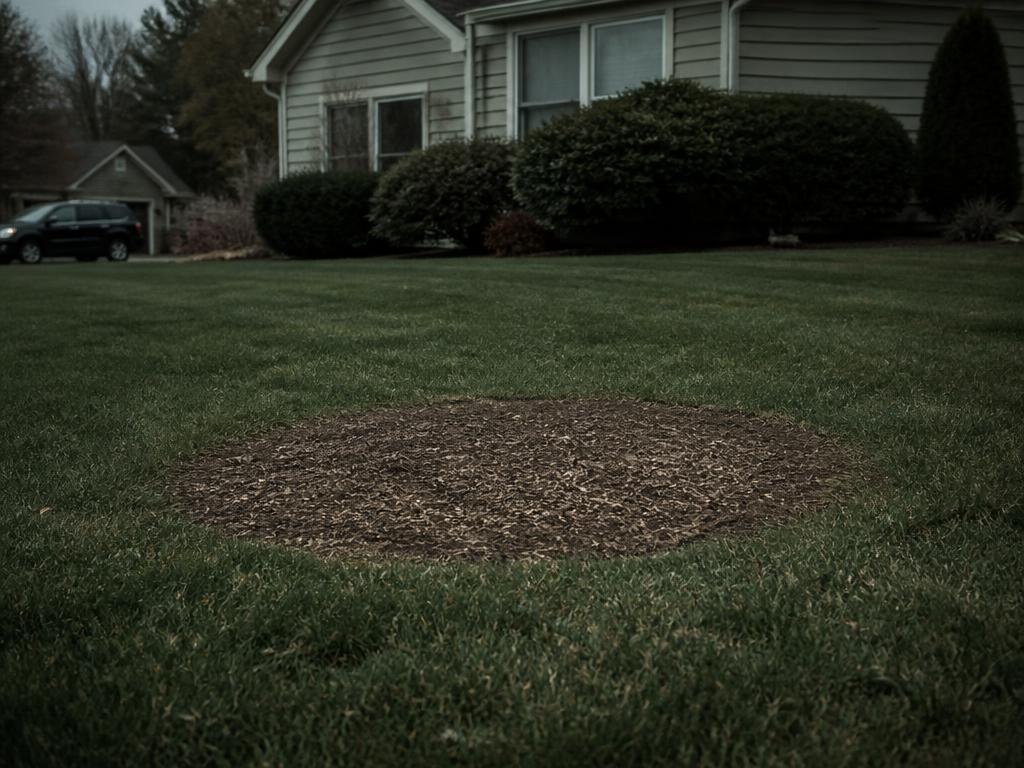
A finished stump grinding project involves more than making the stump disappear. The remaining chips and depression must be managed according to the property owner's goals. Wood chips can sometimes be used as mulch around trees or along natural trails. On lawn areas, excess chips are usually removed or redistributed so they do not interfere with soil preparation.
For a lawn-ready finish, the ground stump area is typically cleaned out, allowed for reasonable settling, backfilled with suitable topsoil, graded, and seeded. Wood chips should not be treated as a direct replacement for topsoil. A large concentration of buried chips can settle and may temporarily affect the condition of the planting area as the material decomposes.
Ask whether the stump grinding quote includes chip cleanup, hauling, topsoil backfill, grading, and reseeding. These are separate levels of service. A lower initial price may cover grinding only, while a complete restoration package may leave the area ready for watering and routine lawn care.
Need stumps removed from a lake property?
Request a site-specific estimate for stump grinding, cleanup, topsoil backfill, or broader lake lot clearing.
4. Use Selective Brush Clearing to Improve the View
Lake views can often be improved without removing every tree between the cabin and the water. Selective brush clearing focuses on small trees, deadfall, tangled shrubs, low branches, invasive growth, and vegetation that blocks the primary view corridor. Retaining well-positioned mature trees preserves shade, privacy, soil protection, and the natural appearance of the property.
A practical approach is to open the center of the view while leaving vegetation along the sides. This frames the lake, reduces the exposed appearance of the lot, and often provides a better visual result than a wide, clear-cut opening. Pruning lower branches may also reveal the water without sacrificing the tree canopy.
Near the shoreline, property owners should be especially careful. Minnesota shoreland rules and local zoning requirements may limit vegetation removal, grading, excavation, or disturbance within protected areas. Requirements can vary by county, city, township, watershed district, and lake classification. Confirm applicable rules before changing the shoreline or removing significant vegetation close to the water.
5. Protect the Shoreline and Control Erosion
The most attractive lake lot is not necessarily the lot with the least vegetation. Roots from trees, shrubs, native grasses, and groundcover help hold soil in place and reduce erosion. Heavy equipment, repeated foot traffic, exposed soil, and runoff can create channels that carry sediment toward the lake.
Plan access routes that minimize passes over soft ground. Avoid unnecessary work during saturated conditions. Where slopes are present, leave stabilizing vegetation whenever possible and use mulch, erosion-control blankets, native plantings, or other approved methods to protect disturbed soil. Direct roof and driveway runoff away from steep banks and vulnerable shoreline areas.
Stump grinding close to an eroding bank requires careful judgment. Removing a stump may reduce a hazard, but its root system may also be helping hold soil. The correct approach depends on the stump's location, the bank condition, and the intended restoration. A contractor should inspect access, slope, and surrounding vegetation before operating near the water.
6. Match the Clearing Method to the Size of the Job
Hand tools and small equipment can handle light pruning, scattered saplings, and routine cleanup. Larger overgrown areas may require a skid-steer or compact track loader equipped for brush removal, grapple work, grading, or forestry mulching. Commercial equipment can complete work faster, but it should be matched to site conditions and used by an operator who understands sensitive lake properties.
Forestry mulching is useful for dense brush, neglected trails, young tree growth, and larger wooded sections of a property. The machine grinds vegetation into mulch and leaves the material on the ground. This can reduce hauling, suppress some future growth, and provide a more natural finish than conventional clearing. It is not the same as finish grading, and additional work may be required when the goal is a smooth lawn or construction-ready surface.
Stump grinding is the better tool for established stumps that remain after tree removal. Grapple cleanup is useful for logs, limbs, storm debris, and brush piles. Grading attachments can smooth ruts and prepare disturbed areas after the major clearing is complete. A combined project may use several methods in sequence.
7. Watch for Underground and Site Hazards
Lake properties often contain utilities and features that are not obvious from the surface. Before grinding or excavating, identify buried electrical lines, propane lines, irrigation, water lines, septic tanks, drain fields, invisible dog fencing, low-voltage lighting, and communication cables. Public utility locating services may not mark private lines installed beyond the utility connection point.
Also identify wells, retaining walls, old foundations, landscape fabric, metal edging, fencing, rocks, and debris hidden in vegetation. Stump grinders and mulching equipment can throw material or be damaged by embedded metal and stone. Keep people, pets, vehicles, windows, and outdoor furnishings outside the work zone.
Access should be checked for width, overhead branches, gate openings, soft shoulders, culverts, septic components, and steep grades. A contractor can often work around tight conditions, but accurate site information helps prevent property damage and delays.
8. Schedule Clearing Around Ground Conditions
There is no single best month for every lake lot clearing project. Dry summer and early fall conditions can provide firm access and easier restoration. Late fall and frozen winter ground may reduce rutting in some areas and improve access across soft soils. Spring can be productive, but saturated ground may be vulnerable to compaction and equipment damage.
Stump grinding can be completed during much of the year when the stump is accessible and conditions are safe. Topsoil placement and grass seeding are more seasonal. Property owners who want a finished lawn should coordinate grinding with the appropriate seeding window and watering plan.
Storm cleanup should be prioritized when broken limbs, leaning trees, uprooted root plates, or blocked access create immediate hazards. Do not work under hung-up trees or unstable limbs without proper training and equipment.
9. Prioritize High-Value Improvements
A complete lake property transformation can be divided into manageable stages. Start with safety and access. Remove hazardous stumps, unstable debris, blocked paths, and vegetation that interferes with the driveway, dock, stairs, or septic area. Next, improve the primary view and reclaim the most-used lawn or recreation space. Finish with secondary trails, back-lot brush, grading, topsoil, and seeding.
This phased approach helps control cost while producing visible improvements early. It also gives the property owner time to evaluate drainage, privacy, and how the cleared space is actually used before removing additional vegetation.
High-conversion projects for professional lake lot clearing services often include multiple stumps, cabin access restoration, brush removal around structures, storm debris cleanup, trail reopening, and preparation for lawn restoration. Combining related work can reduce repeated mobilization and create a more consistent final result.
10. Choose a Contractor Based on the Finished Result
When comparing stump removal and lake clearing contractors, do not evaluate the grinding price alone. Ask what equipment will be used, how deep the stumps will be ground, what happens to the chips, how the work area will be protected, and whether cleanup, backfill, grading, and seed are included.
A useful estimate should identify the work area, number and approximate size of stumps, access limitations, expected cleanup, disposal responsibilities, and any restoration work. Photos and measurements can help with preliminary planning, but an on-site review may be necessary for larger or more complex properties.
Choose a contractor who communicates clearly about limitations. Hidden rocks, embedded wire, underground private utilities, unexpected root systems, saturated soil, and restricted access can affect production. Clear expectations produce better results than a vague promise to simply clear the lot.
Lake Lot Clearing Services Across the Detroit Lakes Region
Stump Removal Minnesota provides property-improvement services for lake homes, cabins, rural residences, recreational land, and wooded lots in the Detroit Lakes region. The service area includes Frazee and communities throughout Becker County, with projects considered in neighboring Otter Tail County, Wadena County, Hubbard County, Clearwater County, Mahnomen County, and Otter Tail County.
Common requests include lake lot clearing, residential stump grinding, tree stump removal, brush clearing, forestry mulching, trail clearing, storm debris cleanup, lot cleanup, and preparation for topsoil and grass seed. Project availability depends on access, site conditions, equipment requirements, and the specific scope of work.
To request an estimate, visit Stump Removal Minnesota online and provide the property location, several photos, the approximate number and size of stumps, access details, and the result you want after the work is complete.
Lake Property Clearing Checklist
Use this checklist before requesting an estimate. Good preparation helps the contractor select the correct equipment and provide a more accurate scope. It also reduces the risk of misunderstanding whether the final result should be natural mulch, rough-cleared ground, a graded surface, or a lawn-ready finish.
- Identify the property lines
- Mark the stumps and brush to remove
- Mark trees and vegetation to protect
- Locate public and private utilities
- Identify the septic tank and drain field
- Measure gates and narrow access points
- Note slopes, retaining walls, wet ground, and shoreline areas
- Decide whether chips should remain or be removed
- Determine whether topsoil, grading, and grass seed are desired
- Take wide-angle photos showing access and the work area
Frequently Asked Questions About Lake Lot Clearing
Request a Lake Lot Clearing or Stump Grinding Estimate
Tell Stump Removal Minnesota where the property is located, what needs to be removed, and how you want the area finished.